









The classic safari, done properly
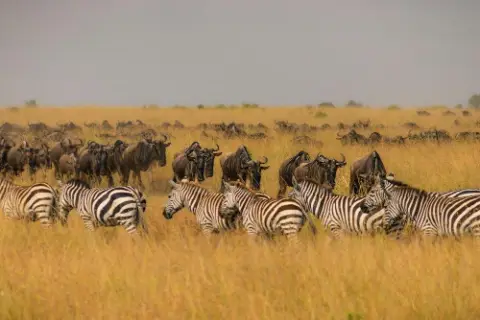
Kenya is where the safari began — lions and wildebeest on the Masai Mara, elephants beneath Kilimanjaro at Amboseli and flamingo-fringed lakes in the Rift Valley. Pair a few nights under canvas with white-sand days on the south coast, all planned by one team you can message.
Where to go
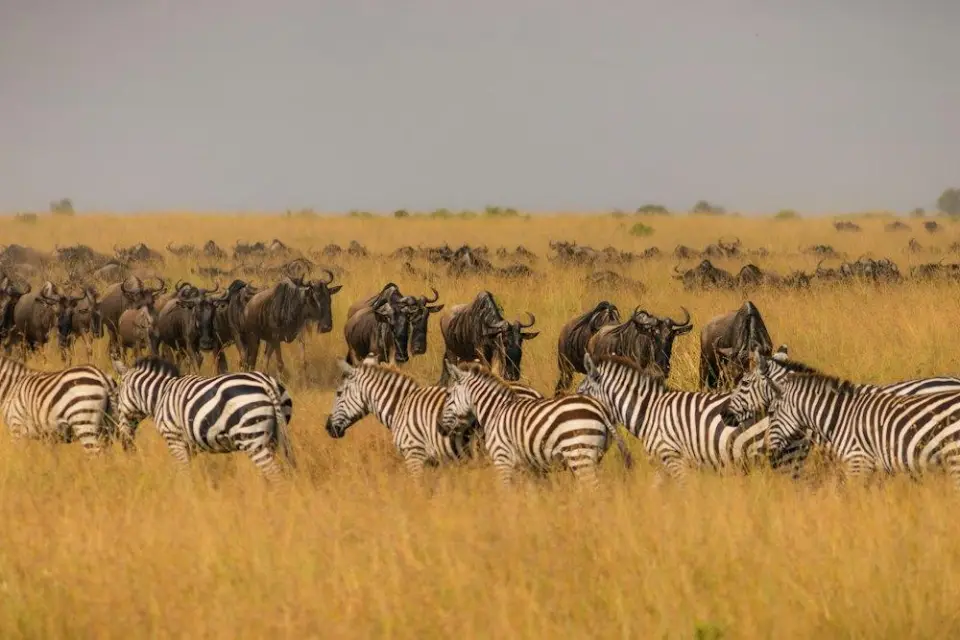
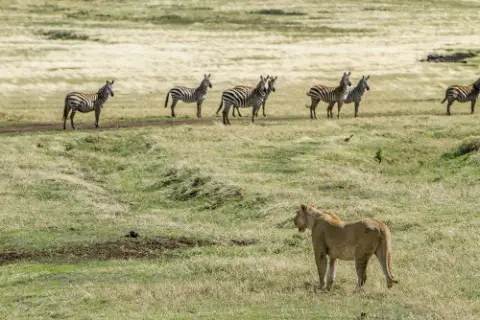
Kenya's most famous reserve — big cats year-round and the wildebeest migration in the dry season.
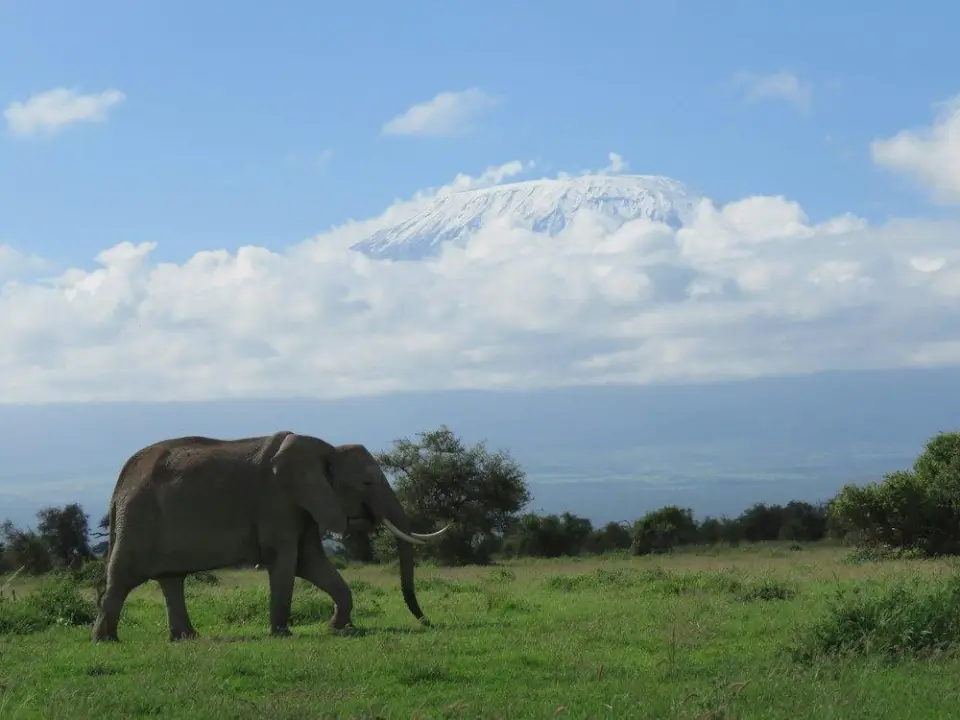
Elephant herds with Mount Kilimanjaro on the horizon, an easy hop from Nairobi.
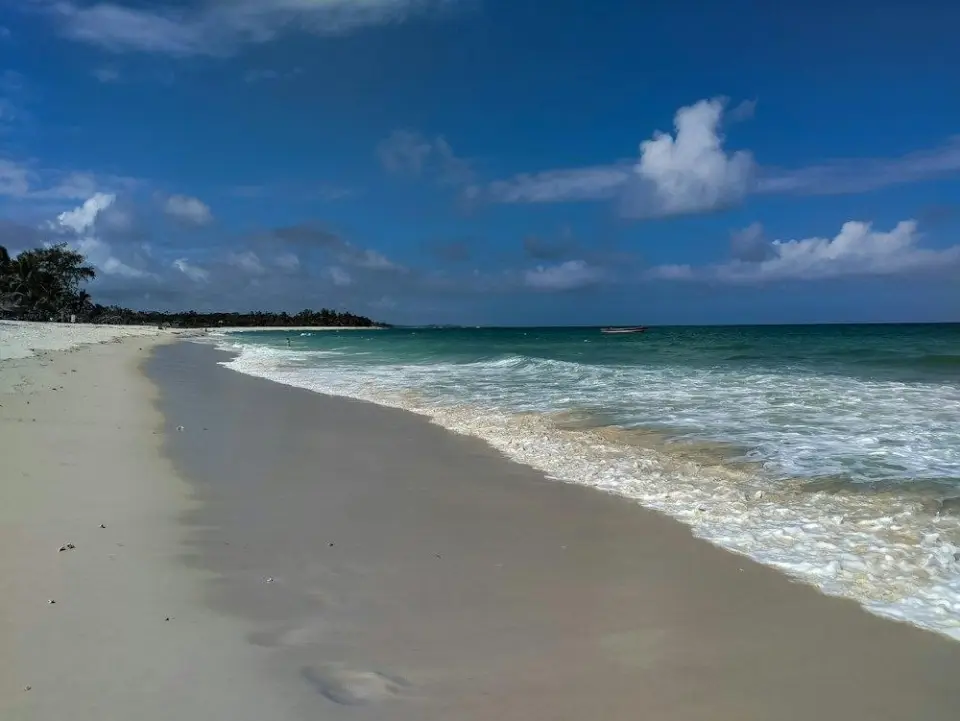
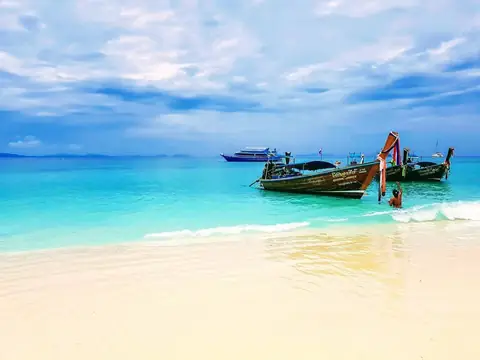
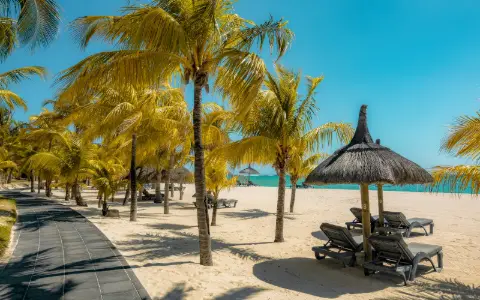
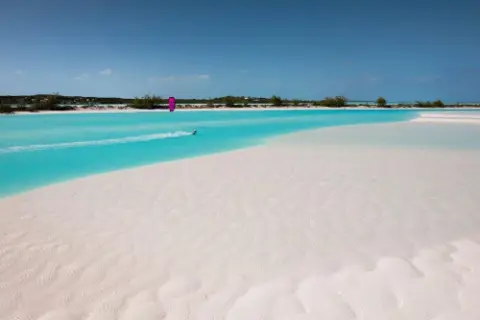
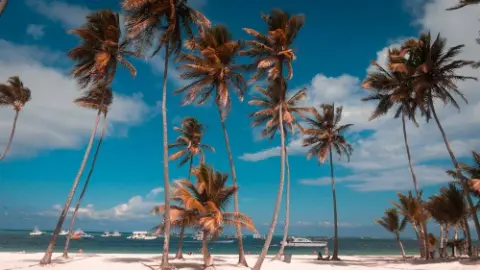
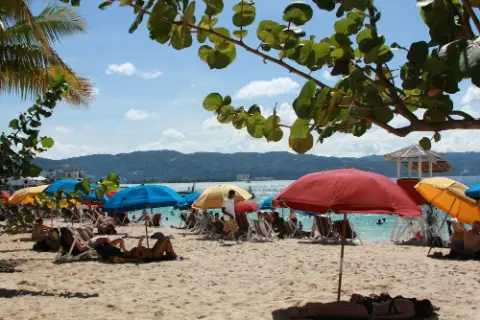
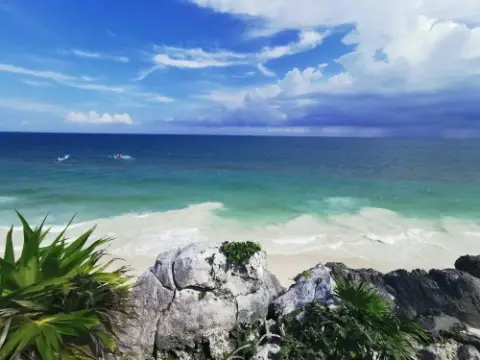
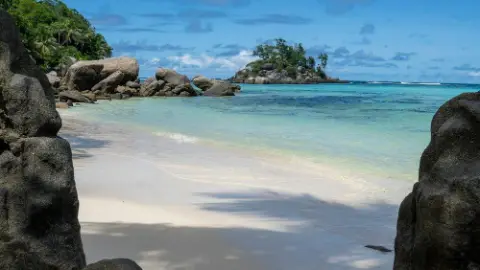
Powder-white sand and warm Indian Ocean water south of Mombasa — the perfect post-safari stay.
Giraffes, baby elephants and a national park on the city's edge — a good first or last night.
Rift Valley lakes with hippos, rhinos and birdlife, often added between Nairobi and the Mara.
Culture and customs
Kenyans are warm and welcoming, and a friendly greeting in Swahili always goes down well.
Say jambo. A simple “jambo” (hello) or “asante” (thank you) is appreciated everywhere, from lodges to markets.
Dress modestly off the beach. Cover up away from resorts and hotels, especially in Mombasa — the coast is mainly Muslim — and at religious sites.
Mind the camera. It is illegal to photograph official buildings, including embassies and airports, and you could be arrested.
Carry ID. You must always carry ID. A copy of your passport is usually fine, but keep the original within reach as police may ask for it.
Smoking and drugs. Smoking is banned in public places except designated areas. Drug possession can mean up to 10 years in prison.
Respect the wildlife. Follow park rules and your guide's advice. Swimming in rivers and lakes in national parks is illegal, and trading in protected wildlife or its parts needs a licence.
How far is Kenya from you?
Distances are great-circle estimates and flying times are typical, not timetabled. Message us for live fares and routes.
Kenya, month by month
Hover overTap a month for average day and night temperatures and rainy days.
Long-term averages from national weather services (Mombasa, Nairobi). Actual weather varies year to year.
Ready-made holidays, coming soon
We’re adding Kenya packages you can browse and filter by trip type, length and budget. Until then, tell us what you’d like and we’ll send ideas and prices — usually the same day.
Tell us about your Kenya trip
Holiday, flights only or just a hotel — send us the details and our team will come back with options and prices, usually the same day during opening hours.
- Flights issued by our own IATA-accredited team
- Internal flights, transfers and tours arranged
- Visa and passport help from our documents team
- One team to message before, during and after
Read the full official entry requirements
See the official GOV.UK entry requirements for Kenya.
Contains public sector information licensed under the Open Government Licence v3.0. Updated automatically from GOV.UK travel advice.
Travelling to Kenya — quick answers
Can’t see your question? Send us a message or WhatsApp us.
Do I need a visa for Kenya with a British passport?
You do not need a visa, but you must apply online for an Electronic Travel Authorisation (eTA) before you travel — Kenya's authorities recommend applying at least 2 weeks before departure, using only the official site (etakenya.go.ke). From 5 October 2026 most visitors staying under 12 months must also have Kenyan Government-provided travel health insurance, bought during the eTA application; foreign travel insurance is not accepted in its place. Your passport needs 6 months' validity from arrival and 2 blank pages.
How long is the flight from the UK to Kenya?
Nonstop flights from London to Nairobi take about 9 hours. British Airways and Kenya Airways fly from Heathrow, and Kenya Airways also flies from Gatwick. Mombasa and the safari airstrips are reached with a connection, usually in Nairobi.
When is the best time for a Kenya safari?
The dry seasons, from late June to October and January to February, are best for game viewing, with the wildebeest migration usually in the Masai Mara from around July to October. The long rains fall from about March to May and the short rains around November and December.
Which vaccinations and malaria tablets do I need?
TravelHealthPro recommends hepatitis A, tetanus and typhoid for most travellers, and yellow fever vaccination for most areas including the Masai Mara, Tsavo East, Tsavo West and Lake Nakuru (it is generally not recommended if you are only visiting Nairobi, Mombasa or the coast). A yellow fever certificate is only required if you arrive from a country with yellow fever risk. Malaria risk is high in most of Kenya, so antimalarials are usually advised; Nairobi and the highlands above 2,500m are very low risk. See a travel health clinic 6 to 8 weeks before you go.
Is Kenya safe to visit?
The popular safari parks, Nairobi and the south coast are not covered by FCDO warnings. The FCDO advises against all or all but essential travel to areas near the Somali border and parts of the north-east coast, including most of Lamu County (Lamu and Manda islands are excluded) and parts of Garissa, Wajir, Mandera and Tana River counties. Check the latest GOV.UK travel advice before you book.
Please note: the information on this page is a general guide, checked when it was published. Entry rules, health advice, weather, seasons, flight routes and local conditions can change at any time and vary from person to person, so we can’t accept responsibility for changes or for decisions based on this page alone. Always check the latest GOV.UK travel advice and official travel health advice before you travel. It is your responsibility to check the entry, health and travel requirements that apply to you before you travel. See our terms and conditions.