











Seoul, Busan and beyond
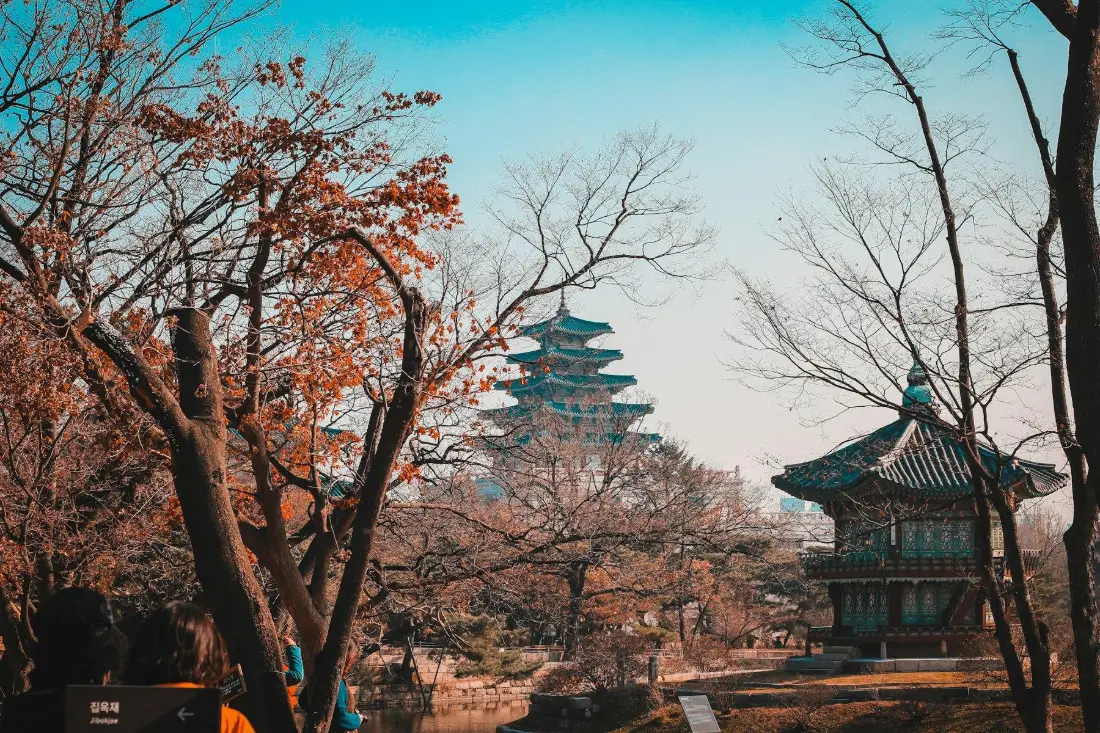
Royal palaces beside glass towers, sizzling Korean barbecue, hanok villages and the volcanic beaches of Jeju — South Korea packs a lot into a short trip. Fast trains link the big cities, so it pairs beautifully with Japan or a beach stop in South-East Asia.
Where to go
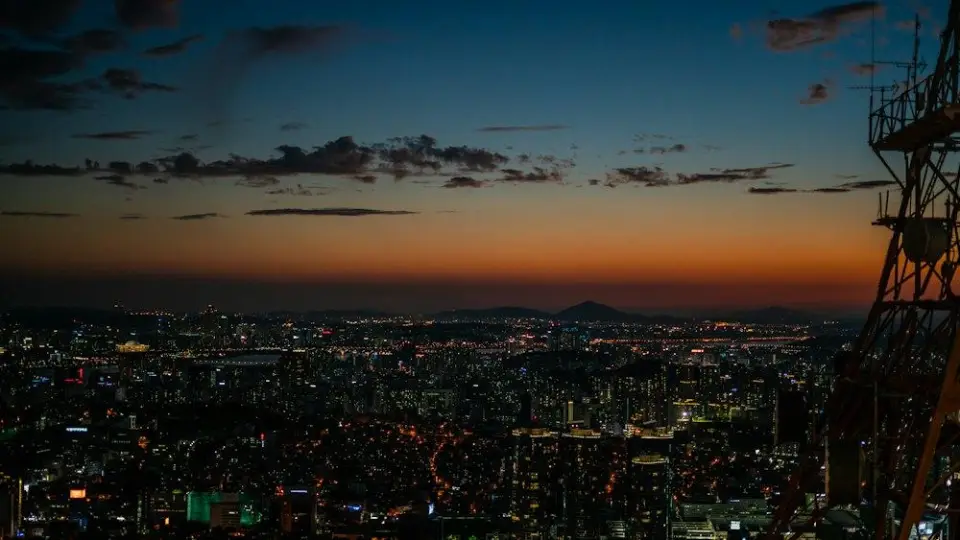
Palaces, markets, K-culture and late-night food streets — the classic start for any first visit.
Beaches, seafood markets and the colourful hillside lanes of Gamcheon, an easy high-speed train ride from Seoul.
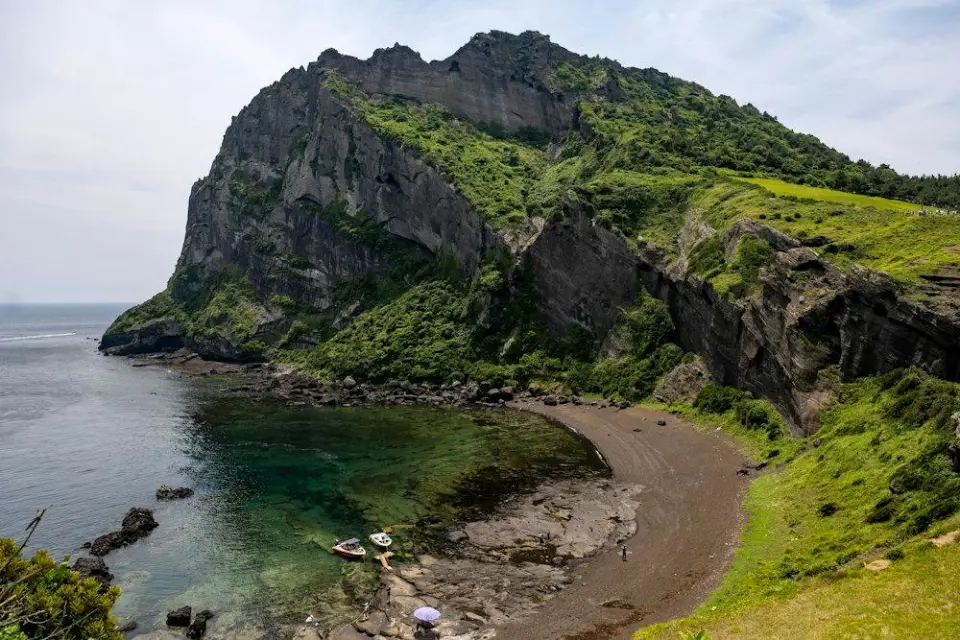
Volcanic coastline, waterfalls and tangerine farms — Korea's favourite island escape.
The ancient Silla capital, with royal tombs, temples and a relaxed pace.
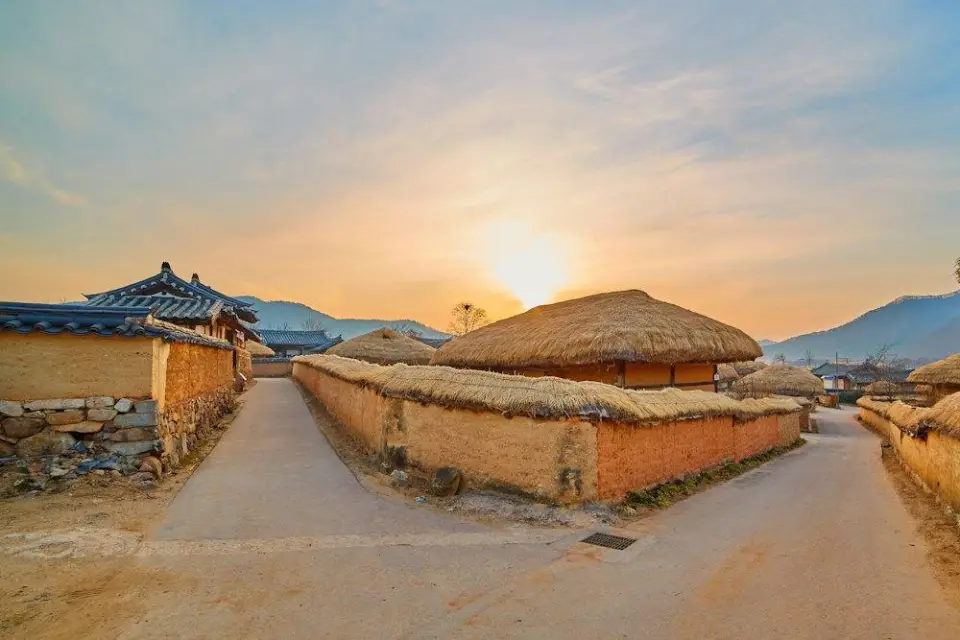
Traditional hanok villages, bibimbap at its birthplace and rural Korea at its most charming.
Culture and customs
Koreans are courteous and welcoming, and small gestures of respect are noticed and appreciated.
Greet with a bow. A slight bow with “annyeonghaseyo” is the usual greeting; pass and receive things, especially money and cards, with both hands.
Respect your elders. Age matters in Korea — let older people start eating first and pour drinks for others rather than yourself.
Carry ID. You are legally required to carry identification, though police rarely ask to see it. Foreign nationals are not allowed to take part in political activities.
Zero tolerance on drugs. Drug offences, including small amounts of cannabis, can mean long jail sentences, and British nationals have been detained on the basis of drug test results alone.
Military service. British men of Korean origin whose names are on the Korean family register may be liable for military service, even when travelling on a British passport.
Tipping. Tipping isn't part of Korean culture and isn't expected in restaurants or taxis.
How far is South Korea from you?
Distances are great-circle estimates and flying times are typical, not timetabled. Message us for live fares and routes.
South Korea, month by month
Hover overTap a month for average day and night temperatures and rainy days.
Long-term averages from national weather services (Seoul). Actual weather varies year to year.
Ready-made holidays, coming soon
We’re adding South Korea packages you can browse and filter by trip type, length and budget. Until then, tell us what you’d like and we’ll send ideas and prices — usually the same day.
Tell us about your South Korea trip
Holiday, flights only or just a hotel — send us the details and our team will come back with options and prices, usually the same day during opening hours.
- Flights issued by our own IATA-accredited team
- Internal flights, transfers and tours arranged
- Visa and passport help from our documents team
- One team to message before, during and after
Read the full official entry requirements
See the official GOV.UK entry requirements for South Korea.
Contains public sector information licensed under the Open Government Licence v3.0. Updated automatically from GOV.UK travel advice.
Travelling to South Korea — quick answers
Can’t see your question? Send us a message or WhatsApp us.
Do I need a visa for South Korea with a British passport?
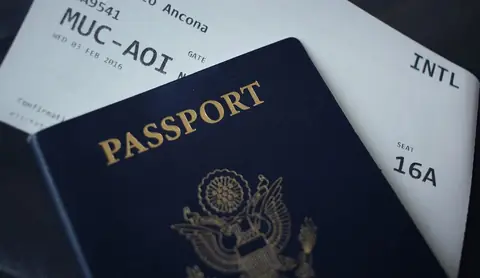
Not for a holiday. British passport holders can stay up to 90 days visa-free for tourism or short business trips, with an onward or return ticket; working is not allowed. British nationals are temporarily exempt from the K-ETA (electronic travel authorisation) until 31 December 2026 — for travel after that, check whether a K-ETA is needed and apply only on the official Korean government website. You can submit a free e-Arrival card online within 72 hours before arrival instead of a paper form, and anyone arriving from the UK with symptoms of illness must complete a Q-Code or paper health questionnaire.
How long is the flight from the UK to South Korea?
Nonstop flights from Heathrow to Seoul Incheon take about 12½ to 13 hours, with Korean Air, Asiana Airlines and Virgin Atlantic each flying daily. The return to London is longer, about 14½ hours. Busan and Jeju are reached by a connection in Seoul or another Asian hub.
When is the best time to visit South Korea?
Spring (April and May) brings cherry blossom and mild weather, and autumn (September to November) brings clear skies and autumn leaves. July and August are hot, humid and rainy, while winter is cold and dry — great for skiing and festive Seoul.
Is South Korea safe to visit?
South Korea is a popular, welcoming destination. GOV.UK notes that tension on the Korean Peninsula can change with little notice, so follow local advice if visiting the DMZ. Civil defence drills with sirens happen from time to time — you don't have to take part, but follow officials' instructions.
Can Travel Style book my whole South Korea trip?
Yes. We're IATA accredited, so we issue flights ourselves and can add hotels, rail passes, internal flights and tours in one booking — with one team to message before, during and after your trip.
Please note: the information on this page is a general guide, checked when it was published. Entry rules, health advice, weather, seasons, flight routes and local conditions can change at any time and vary from person to person, so we can’t accept responsibility for changes or for decisions based on this page alone. Always check the latest GOV.UK travel advice and official travel health advice before you travel. It is your responsibility to check the entry, health and travel requirements that apply to you before you travel. See our terms and conditions.